
Since 1969
History
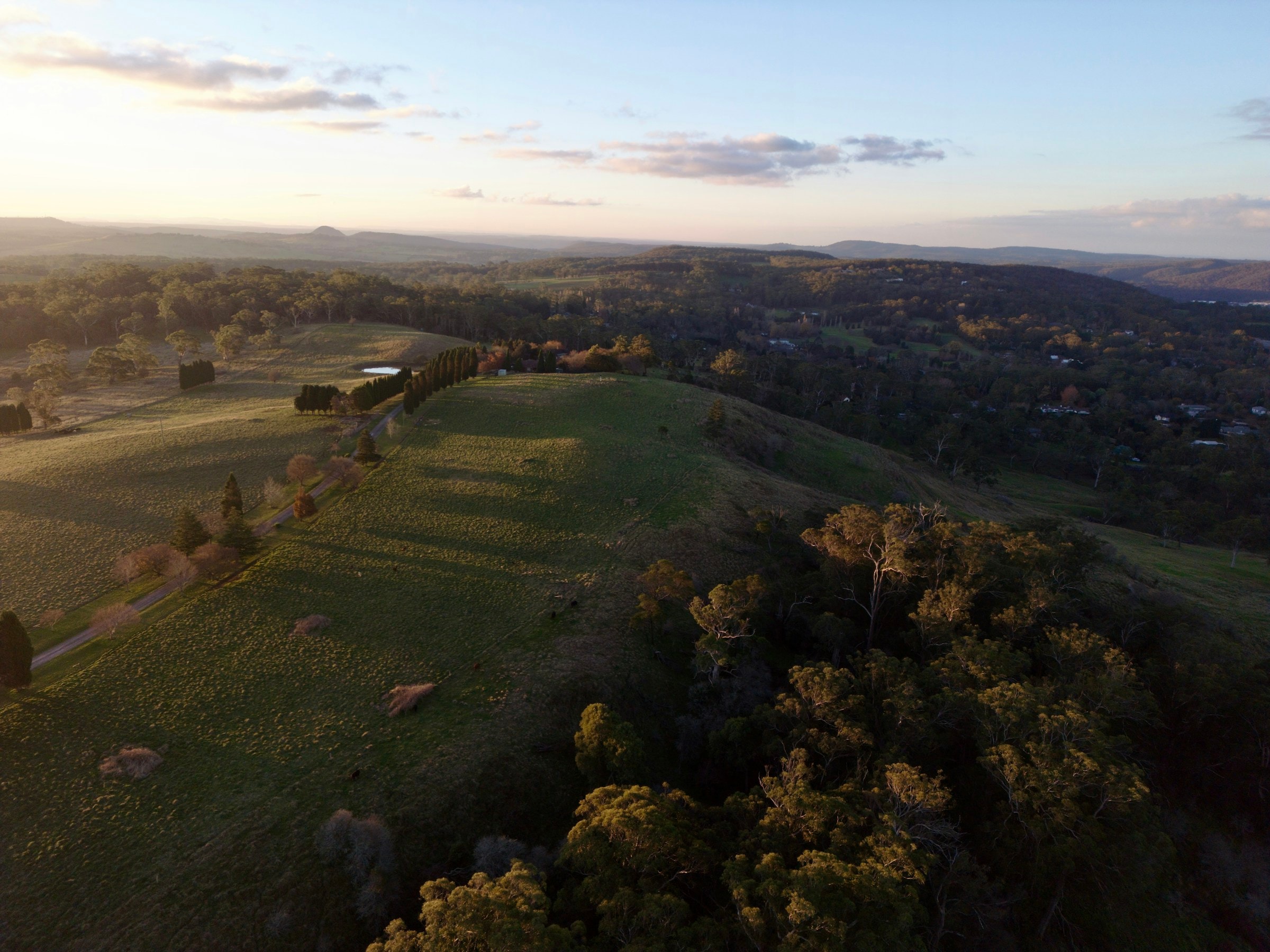
Established in 1969 with a 100-hectare farm near Picton, Twynam grew into Australia's largest agricultural producer. The Kahlbetzer family has also been involved in steel and cotton trading, oil and gas, cotton processing, mining, property development, construction and agriculture in Argentina and Sudan.
1954 — Today
Twynam through the years


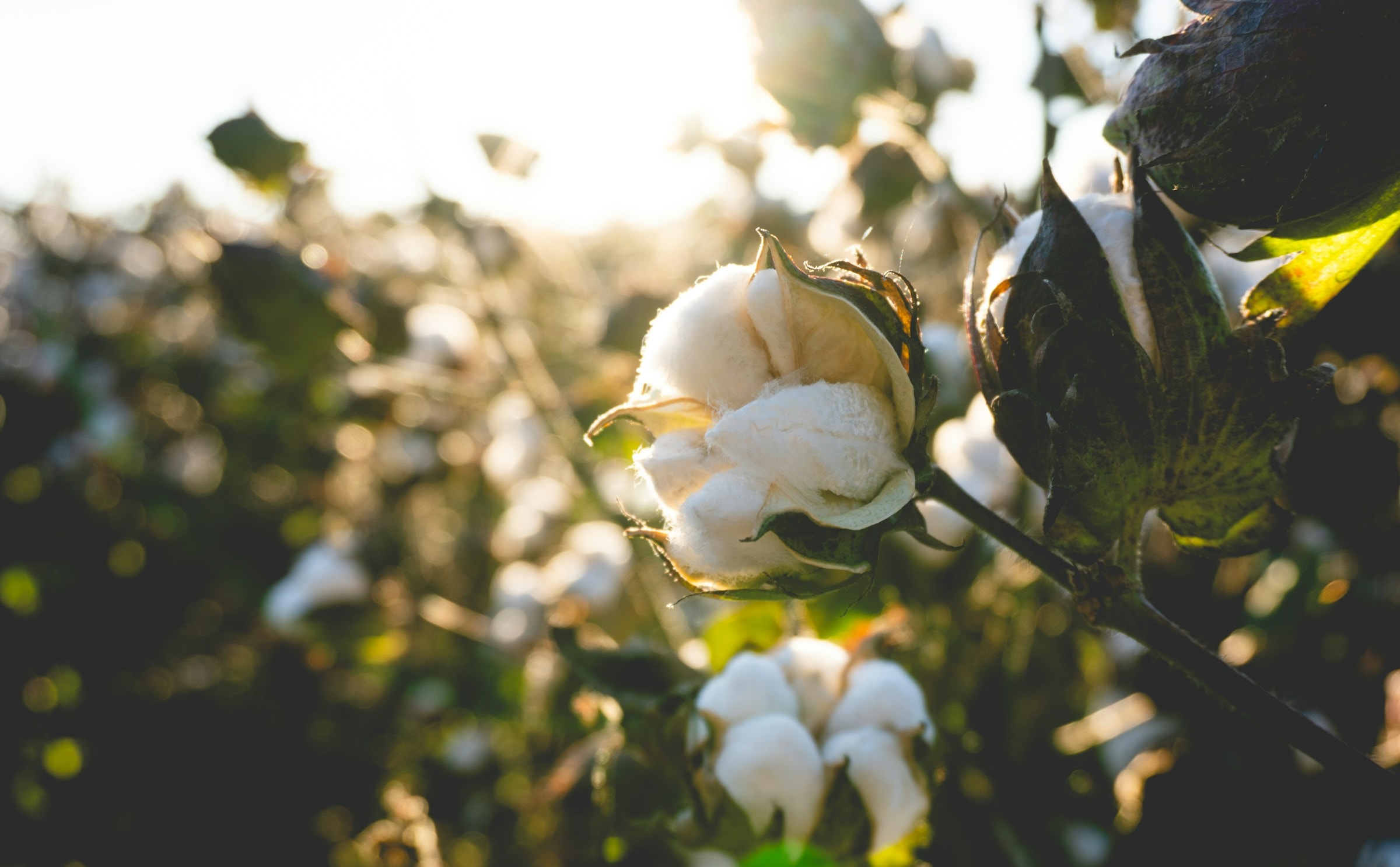
Twynam pioneered cotton in Southern New South Wales, growing the industry from nothing in 1992.
The history of Twynam
From steel trading and agriculture to property and climate technology investment.
Foundations in industry and agriculture
Twynam's foundations are in industry and agriculture. Since the beginning of the century, we have also invested in climate technology.
Founded in 1969, Twynam is a family enterprise spanning agriculture, property and funds management.
John Dieter Kahlbetzer founded Twynam and shaped its development. He emigrated from Germany to Australia in 1954.
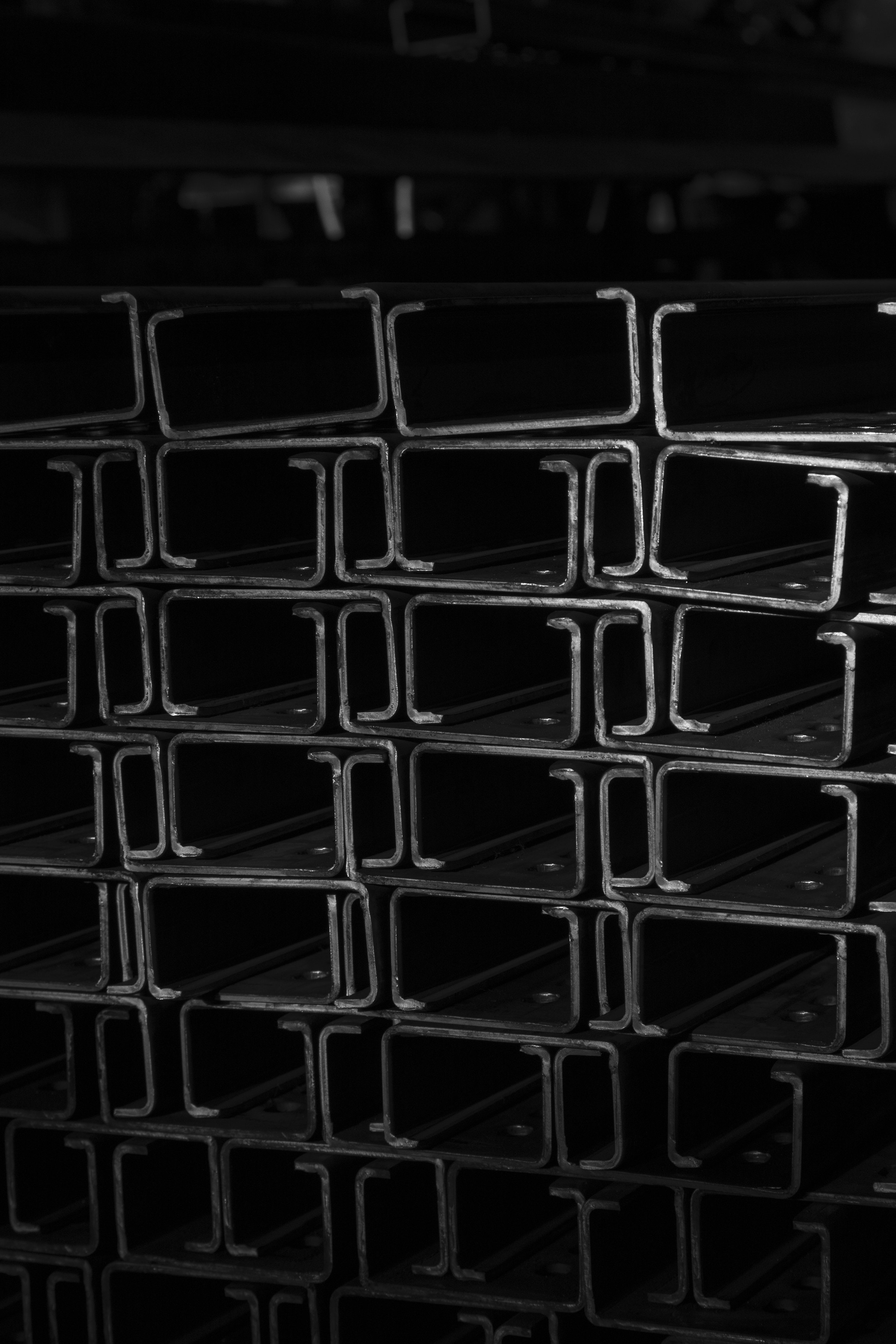
He built his business in steel importing and exporting.
Twynam was established in 1969 when Mr. Kahlbetzer purchased Razorback, a 100-hectare hobby farm near Picton, New South Wales. The property marked the beginning of his involvement in rural Australia.
Between 1969 and 1979, Mr. Kahlbetzer purchased more properties, but it was the purchase of 7 significant properties, known as Naroo Pastoral Company in 1979, that the Group's focus shifted predominantly to agriculture. For the next 20 years, Twynam continued to expand, buying and selling agricultural properties to strengthen its portfolio, and it was during this growth, in 1991, that Johnny joined the company as COO.
Mr. Kahlbetzer created his Argentine agricultural business LIAG in 1982 and it grew to produce over 320,000 mt of grains, oilseeds, and fibre, including operating a 30,000-hectare irrigation farm.
An agricultural force
In 1985 we started to accumulate shares in AACo (Australian Agricultural Company), then Australia's largest cattle company. In 1992 we held 30.43% of the company, which was sold in 1995.
In 1999 Twynam made another significant step, purchasing Colly Cotton. With this addition, Twynam became arguably Australia's largest agricultural producer. At its peak, the Twynam group was farming 443,275 hectares on 24 aggregated properties, all within New South Wales.
Twynam was the largest irrigator in Australia, with approximately 260,000 megalitres of river water and 38,000 megalitres of bore water entitlements. This water meant that a large portion of production came through irrigation, making Twynam Australia's largest producer of cotton, grain/oilseeds, and rice.
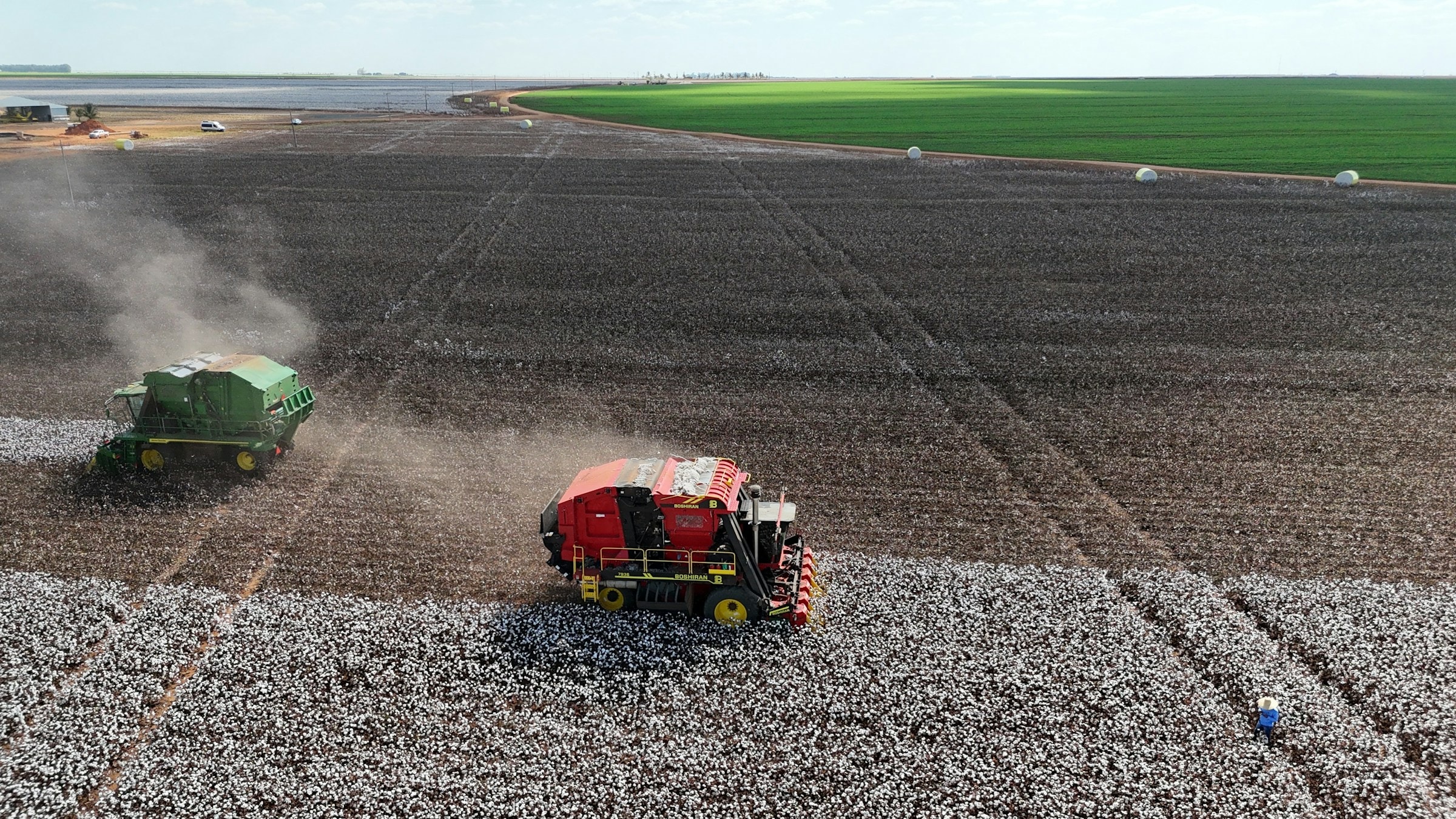
Twynam was also ranked 5th in Australian wool production and 15th in Australian cattle production. Twynam ginned up to 380,000 bales of cotton through its three owned and one joint venture gins, and marketed over 1m bales of cotton, which was approximately 25% of the Australian cotton crop.
In May 2009, the family decided to exit a large portion of the agricultural business by selling 240,000 megalitres of river water entitlements to the Australian Federal Government under their "Water Buyback for the Environment" program. Farms that had been irrigation farms were now dryland farms, and the commencement of the sell-down of these farms began. The last of the large-scale farms were sold in 2018.
In 2012, we looked at various projects in Africa. Finally, we settled on a dryland project in Sudan near Demazin growing cotton, sorghum, and sunflower. Given the situation in Sudan at this time, and for various other reasons, we pulled out of the project.
The Argentine business, LIAG, was sold in 2022.
Technology, research and agricultural education
Twynam has a history of adopting technology early. Johnny has supported this approach through investment in rapidly developing technologies.
Twynam pioneered the cotton industry in Southern NSW. From its beginnings in 1992, the industry has grown to a multi-hundred-million-dollar scale and continues to expand.
Towards the end of the 1990s, with environmental issues coming to the world's attention, Twynam funded a research project with CSIRO attempting to develop vaccines against methanogens to reduce the methane emissions from sheep and cattle. Unfortunately, the results were not commercially viable, and in 2001 the research was brought to a halt.
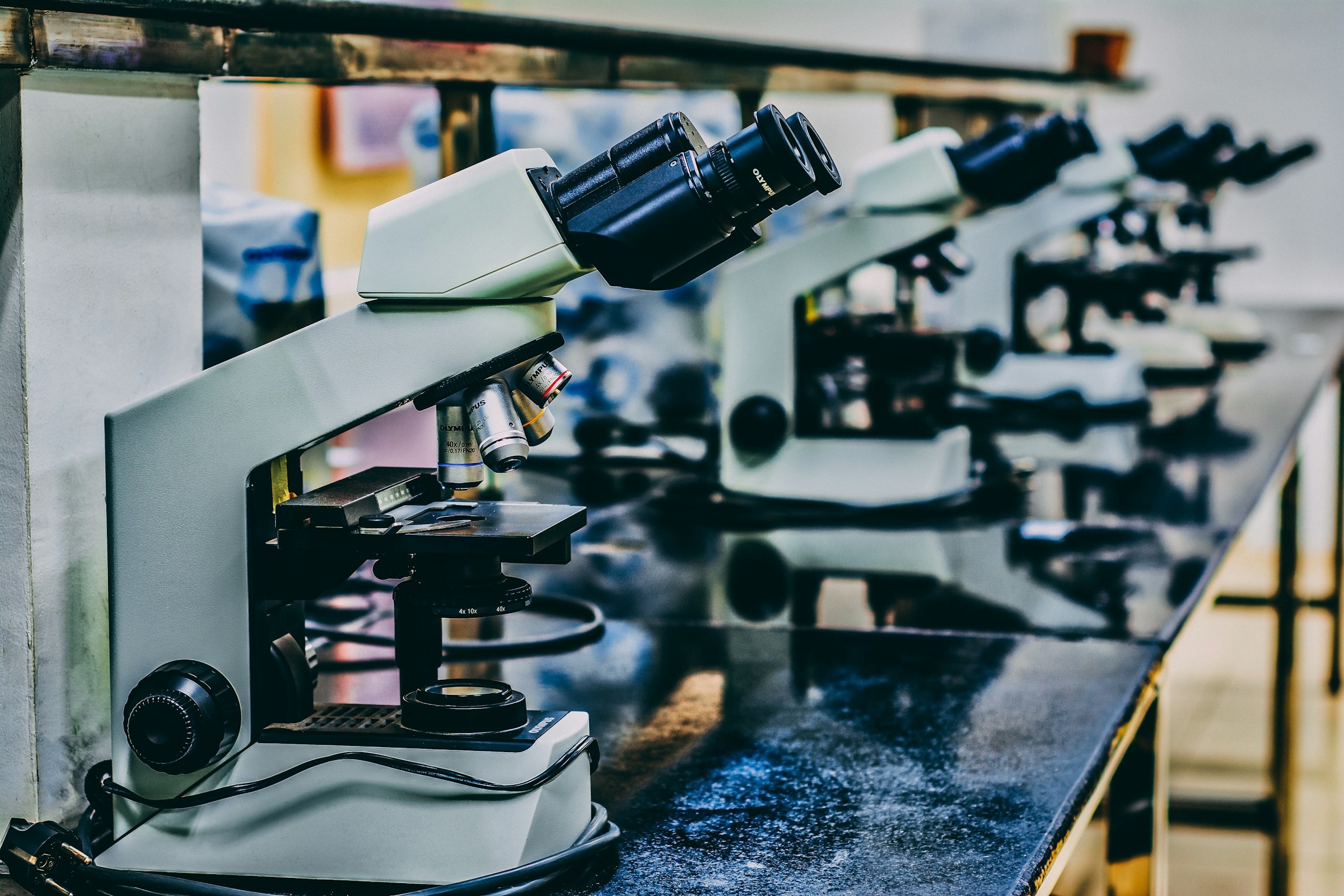
The Twynam Chair in Animal Breeding Technologies at the University of New England was funded from 1995 to 2002. This founding investment supported the creation of the Beef Cooperative Research Centre, of which Johnny was a board member for many years. Professor Brian Kinghorn headed the chair and developed TGRM (total genetic resource management), a tool to better match bulls and cows for particular breeding outcomes.
Twynam was one of the first Agricultural companies to have a cadetship program, putting high school graduates through university. Several cadets have become significant contributors to the Agricultural industry, an impressive legacy for the program.
Two farms near Sydney, totalling 1400 hectares, remain in operation. They continue the Kahlbetzer family's agricultural traditions through the breeding and training of polo ponies and the development of the Twynam Angus cattle stud, with a focus on genetically feed-efficient animals.
The transition from farming opened opportunities for further investment. In 2010, Twynam invested in several property development projects arising from opportunities created by the Global Financial Crisis.
Twynam retains its property interests, with its main investment focus now on environmental technologies. Attending COP4 in Buenos Aires in 1998 strengthened our resolve to invest in climate solutions. For over 25 years, we have deployed capital in the sector and supported the growth of technology companies.
Investment in climate technology
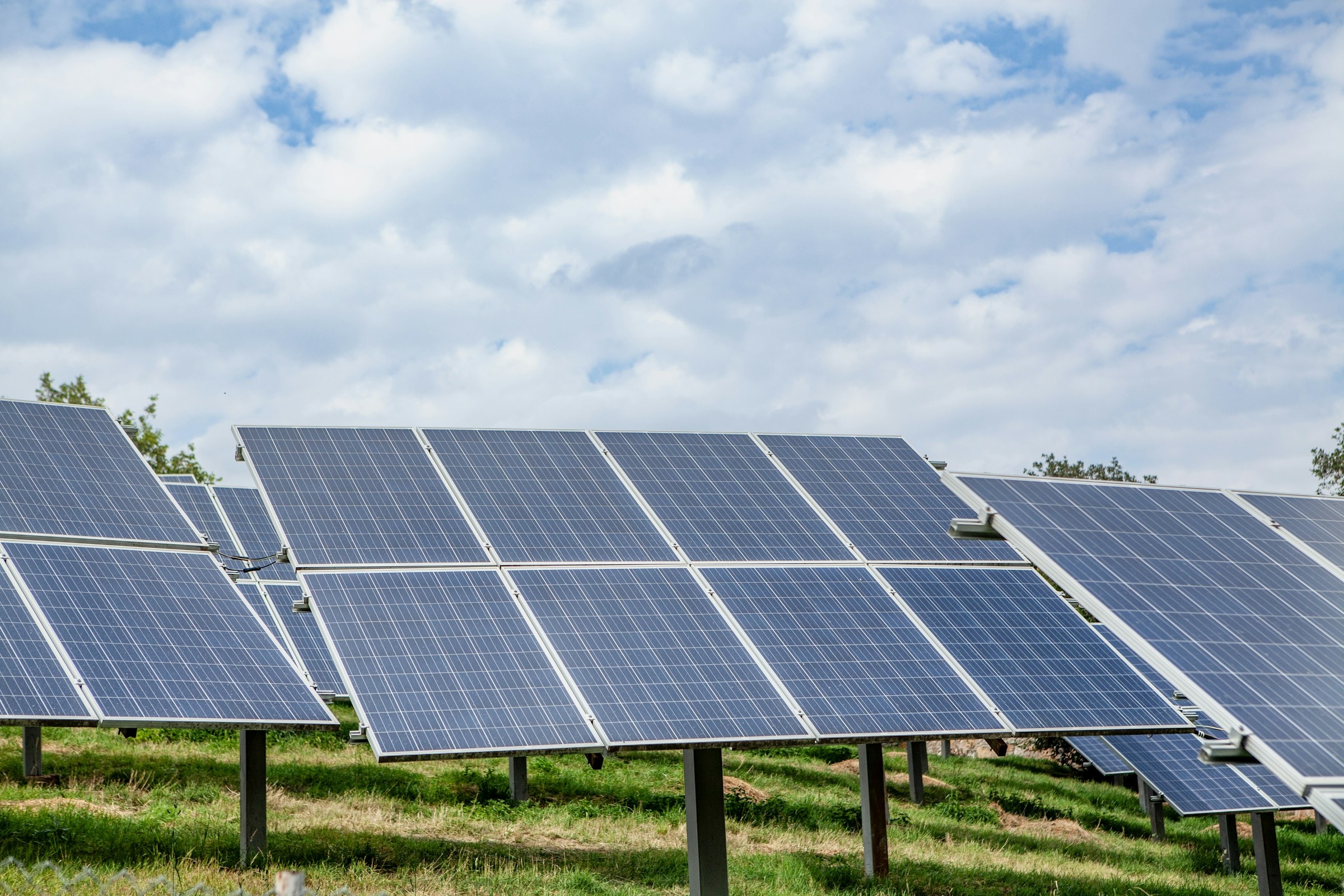
We believe that reducing society's carbon footprint requires better products with lower costs and less carbon intensity that consumers will choose to buy. In our view, changes in purchasing behaviour depend on cost. We focus on finding products and processes that can materially reduce costs.
We back companies with strong unit economics that aim to compete with carbon-intensive incumbents on both capital and operating costs, without relying on subsidies or green premiums. We support scalable technologies that redesign or substantially improve existing systems, rather than deliver incremental gains. We seek teams with the ambition and resilience to develop these technologies rapidly and challenge established industries worldwide.
From producing cotton, we now invest in companies converting waste cotton fabrics into new fibres. From producing beef and sheep meat, we support the production of alternative proteins such as insect-based systems, cultured meat, and novel formulations.
Twynam's history spans cotton, cattle and steel. Today, we invest in new fibres, insect-based proteins and precision fermentation, seeking commercial value and environmental benefits.
Our agricultural experience informs our understanding of supply chains and how new technologies can improve existing systems. We believe those improvements must benefit both people and the environment.
Our long-term objectives are oceans free of plastic, efficient food production, naturally sourced energy, sustainable proteins, and waste that can be reused or recycled.
Our purpose
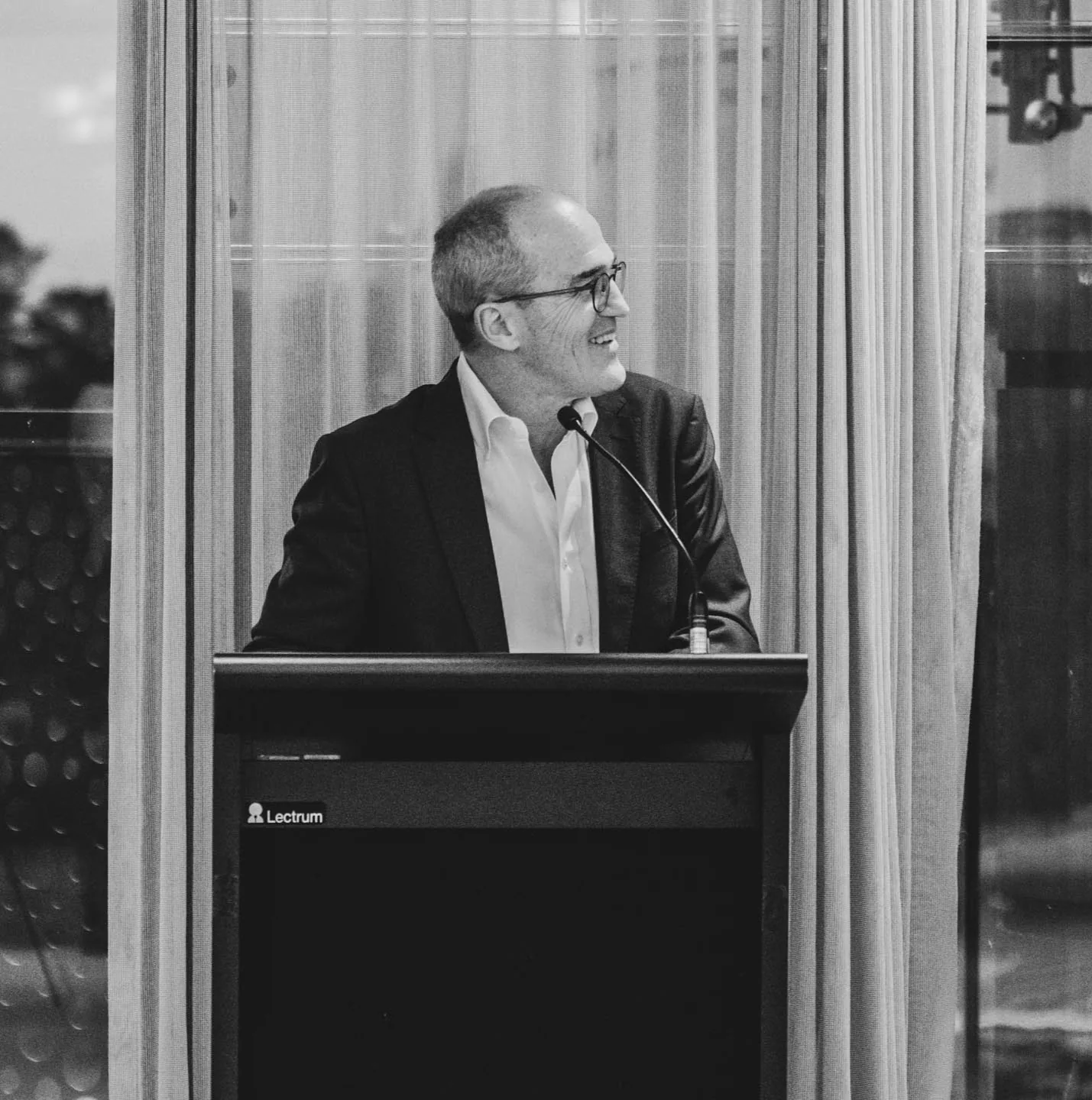
“Our vision is for sustainable intergenerational growth, prosperity and clean living so that our future generations can enjoy similar attributes of the world that we enjoy today. It is evident that without substantial changes to how we utilize our resources, we are on a path that makes that impossible.
Our resource usage is clearly unsustainable as the world heads to a population of 10 billion people. Food production needs to be doubled but we don't have twice as much land, soil or water.
Our oceans are drowning in plastic, and our carbon emissions are causing our planet to heat up more quickly than at any other time in history. We need solutions and our goal is to find them.”
Johnny Kahlbetzer
Chief Executive Officer, Twynam Group